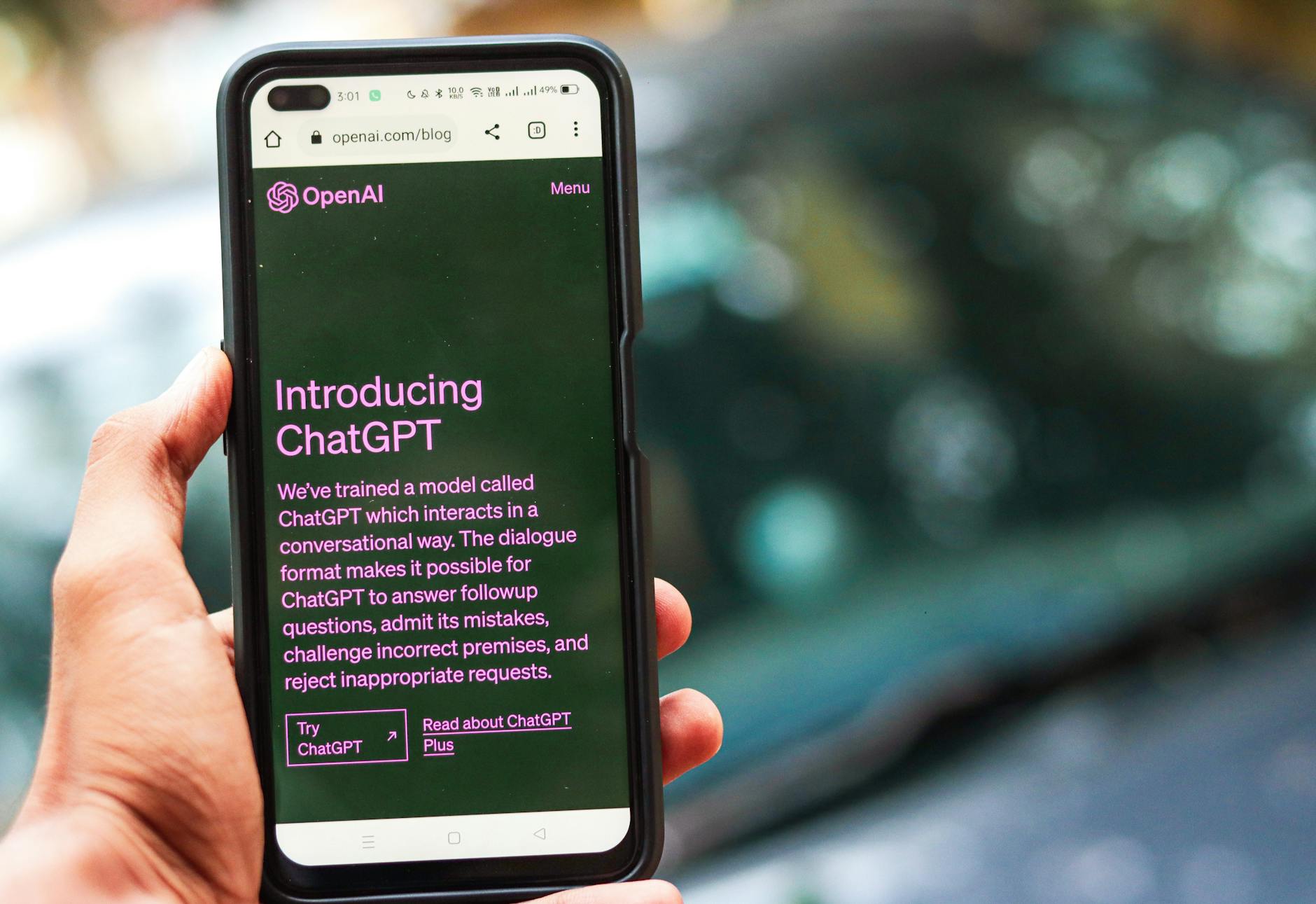
Unlocking OpenAI-Compatible APIs: Your Open-Source Gateway
As the landscape of Artificial Intelligence rapidly evolves, the demand for flexible, interoperable, and cost-effective AI solutions has never been higher. This is where OpenAI-compatible APIs truly shine, offering a revolutionary pathway for developers and businesses to harness powerful language models without being locked into a single provider. Imagine having the freedom to switch between various open-source models, fine-tune them to your specific needs, and deploy them with an API structure you already understand and love. This compatibility isn't just about convenience; it's about empowerment. It democratizes access to advanced AI capabilities, fostering innovation and allowing for greater experimentation with different model architectures and performance benchmarks. Businesses can leverage this to create highly customized AI applications, from intelligent chatbots to advanced content generation tools, all while maintaining control over their data and infrastructure.
The beauty of an open-source gateway to OpenAI-compatible APIs lies in its ability to foster a vibrant ecosystem of development and collaboration. Instead of proprietary black boxes, you gain transparency and the collective intelligence of a global community. This translates into several key advantages:
- Reduced Vendor Lock-in: Easily migrate between different AI models and providers.
- Enhanced Customization: Fine-tune models with your own data for superior performance.
- Cost Efficiency: Leverage powerful open-source models without hefty licensing fees.
- Community Support: Access a wealth of knowledge and solutions from fellow developers.
Embracing this open-source approach not only future-proofs your AI strategy but also encourages a more robust, secure, and adaptable development environment. It's an invitation to join a movement that prioritizes innovation and accessibility, ensuring that the power of AI is truly within everyone's reach.
A web scraper API simplifies data extraction from websites by providing a programmatic interface to retrieve information. Instead of building and maintaining your own scraping infrastructure, you can send requests to the API and receive structured data in return. This allows developers to focus on utilizing the data rather than the complexities of web scraping itself.
Beyond OpenAI: Practical Tips for Integrating Open-Source LLMs
While OpenAI's offerings are powerful, the open-source LLM landscape presents a compelling alternative, especially for those seeking greater control, customization, and cost-effectiveness. Diving into models like Llama 2, Mistral, or even fine-tuned smaller models like Alpaca allows for a level of integration that proprietary APIs often restrict. The first practical tip is to thoughtfully assess your use case and available infrastructure. Are you running an internal knowledge base, a customer service chatbot, or a code generation tool? Your choice of model (and its size) will heavily depend on these factors, along with the compute resources you can allocate. Consider the trade-offs: larger models offer better accuracy but demand more GPU power, while smaller, highly specialized models can be incredibly efficient for specific tasks, even running on less robust hardware. Don't be afraid to experiment with different architectures to find the sweet spot for your project.
Once you've identified potential open-source candidates, the next step involves practical implementation and ongoing management. This often means leveraging robust frameworks and tools. Consider integrating with platforms like Hugging Face Transformers for easy access to pre-trained models and fine-tuning capabilities, or utilizing libraries like LangChain or LlamaIndex to build sophisticated LLM applications with ease. For deployment, Dockerizing your LLM application ensures portability and consistency across environments. Furthermore, establish a clear strategy for monitoring model performance and managing updates. Open-source models are constantly evolving, so staying abreast of new versions and security patches is crucial. Regularly evaluate your model's outputs, collect feedback, and be prepared to fine-tune or even swap models as your needs evolve. This proactive approach ensures your open-source LLM integration remains effective and adaptable.