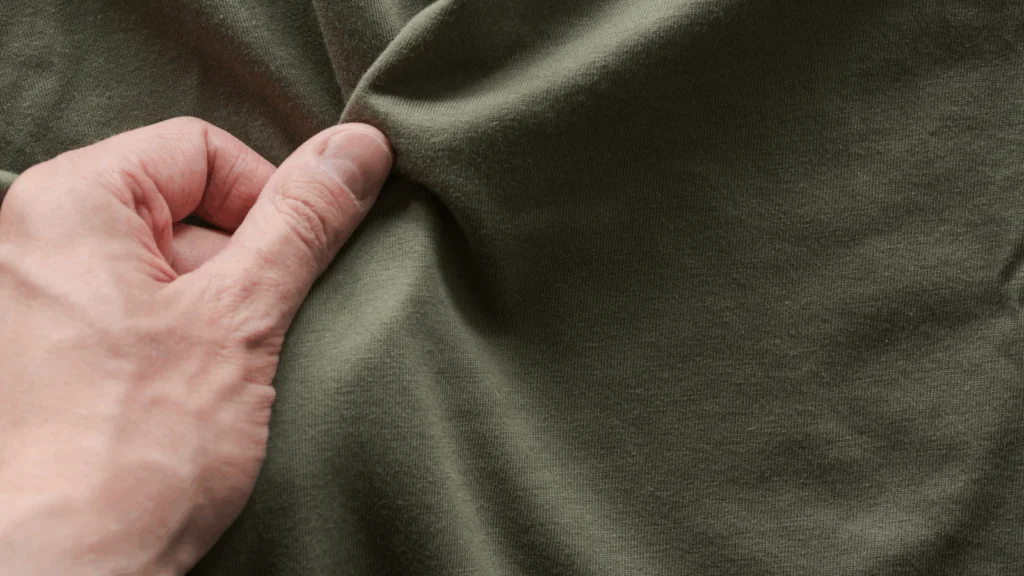
Understanding the Differences: Cotton vs. Linen in Fashion
Cotton and linen are two of the most popular natural fabrics in the fashion industry, each boasting unique properties that cater to different consumer preferences. Cotton, known for its softness and versatility, is often the go-to choice for everyday wear. It is highly absorbent, breathable, and easy to care for, making it ideal for casual clothing like t-shirts, jeans, and dresses. On the other hand, linen is prized for its durability and textured finish. It has a crisp feel and naturally wrinkles, which many find adds character to the garment. When considering comfort in warm weather, linen's moisture-wicking properties allow it to keep you cool in hot climates, making it a favorite for summer wear.
When comparing cotton vs. linen, it's essential to note their environmental impact. Cotton cultivation demands significant water usage and, depending on farming practices, can involve harmful pesticides. Linen, primarily derived from the flax plant, requires less water and is often considered more eco-friendly. Moreover, linen production generates less waste, as nearly every part of the flax plant can be utilized. Understanding these differences can enhance your choice when purchasing fashion items, as opting for linen may align better with sustainable fashion values, while cotton provides comfort and versatility for everyday wear.
Looking for the best Pokémon merchandise? Check out our pokemon shop for a wide range of items including toys, clothing, and collectibles that any Pokémon fan would love!
How to Choose the Right Fabrics for Comfort and Style
Choosing the right fabrics is essential for achieving both comfort and style in your wardrobe. Start by considering the climate you live in; natural fibers such as cotton and linen are breathable and perfect for warmer weather, while wool and flannel provide insulation during the colder months. Additionally, think about the purpose of the garment. For instance, athletic wear requires moisture-wicking capabilities, while luxurious silk is ideal for formal occasions. By aligning the fabric type with your lifestyle needs, you can ensure that you not only look good but also feel great in your clothing choices.
Once you’ve identified the fabric types suitable for your lifestyle, it’s important to pay attention to fabric textures and their overall quality. Fabrics with a rich texture, like velvet or boucle, can elevate your style, while materials like jersey and cotton offer a more laid-back vibe. Conduct a quick test—run your fingers over the fabric to gauge its softness and flexibility. You can also look for certifications such as Oeko-Tex or GOTS to ensure the fabric is produced sustainably and is safe for your skin. With these tips, you’ll be well-equipped to make informed decisions that marry comfort and style seamlessly.
What Fabrics are Best for Sustainable Fashion?
When it comes to sustainable fashion, the choice of fabric is crucial. The best options often include natural fibers that have a lower environmental impact. Fabrics such as organic cotton, which is grown without harmful pesticides, and hemp, known for its minimal water usage and fast growth, are excellent choices. Additionally, linen, derived from the flax plant, has a low carbon footprint and is biodegradable. Other sustainable fabrics include tencel (or lyocell), made from sustainably sourced wood pulp, and recycled polyester, which diverts plastic waste from landfills and oceans.
Moreover, exploring innovative materials can also elevate your sustainable fashion journey. Consider Piñatex, a leather alternative made from pineapple leaves, or apple leather, which utilizes waste from the apple industry. These options not only reduce the need for animal leather but also minimize waste. It's essential to check certifications, such as GOTS (Global Organic Textile Standard) for organic textiles or OEKO-TEX for harmful substances, ensuring that your fabric choice aligns with your values. Embracing these fabrics allows for stylish, eco-friendly choices that support a more sustainable fashion industry.