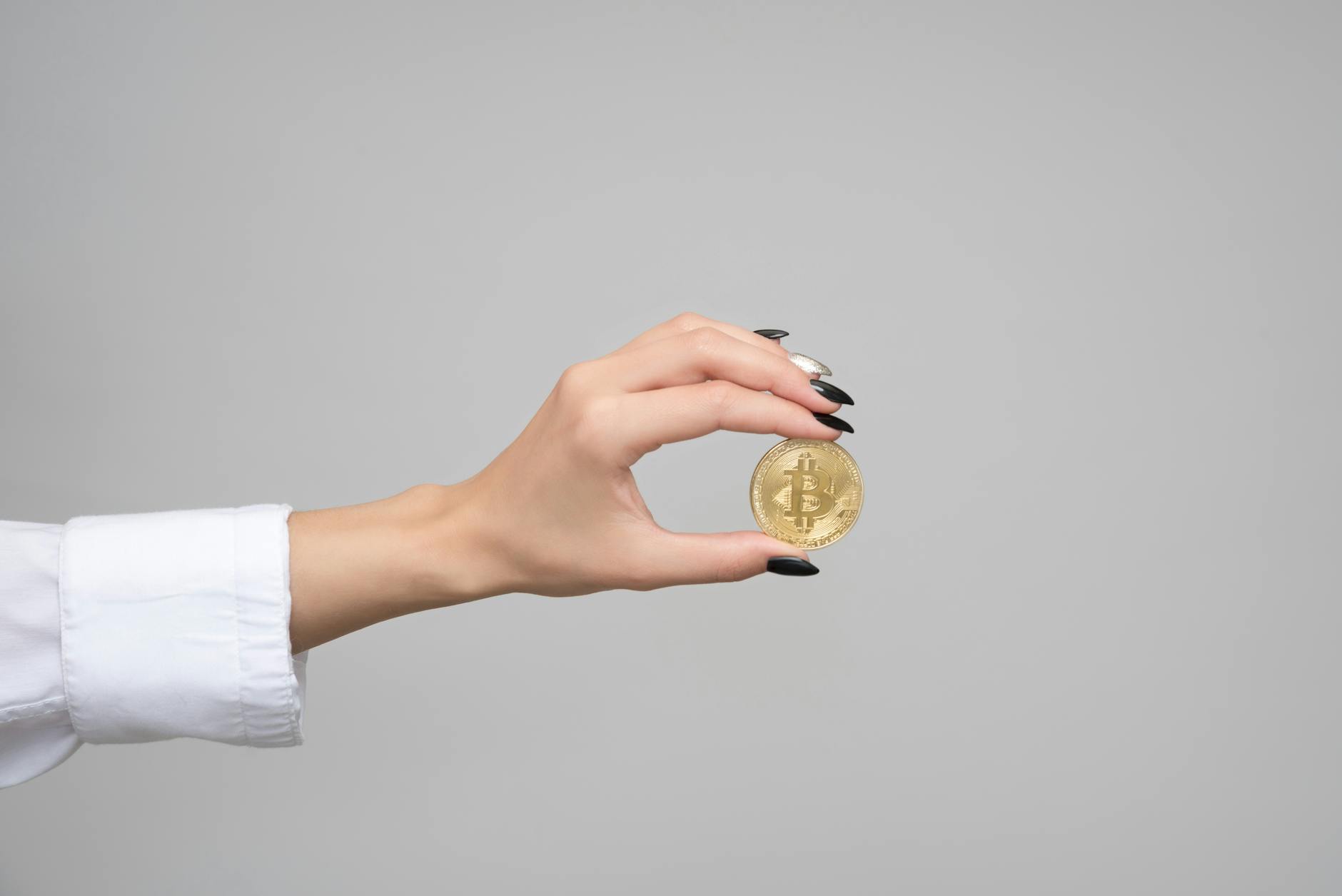
Picking Your Digital Purse: What Kind of Crypto Wallet Do You Need for dApps?
Navigating the world of dApps (decentralized applications) requires a secure and accessible digital purse: your crypto wallet. But with a plethora of options, how do you pick the right one? The primary distinction lies between hot wallets and cold wallets. Hot wallets are connected to the internet, offering unparalleled convenience for frequent dApp interactions. Think of them as your everyday cash; easily accessible for quick transactions. Examples include browser extensions like MetaMask or mobile apps like Trust Wallet. While incredibly user-friendly, their internet connectivity introduces a higher (though still relatively low) risk of cyber-attacks. For active dApp users, a hot wallet is almost always a necessity, facilitating seamless smart contract interactions and token swaps.
Conversely, cold wallets prioritize security above all else. These are physical devices, such as Ledger or Trezor, that store your private keys offline, making them virtually immune to online threats. Imagine them as a safe deposit box for your most valuable digital assets. While they offer the highest level of security, their offline nature means they are less convenient for day-to-day dApp usage. You'll typically connect your cold wallet to a hot wallet interface (like MetaMask) when you need to sign a transaction, adding an extra step. Therefore, your choice largely depends on your usage patterns: are you an active dApp user making frequent transactions, or are you primarily holding significant amounts of crypto that you only access occasionally? Many users opt for a hybrid approach, using a hot wallet for everyday dApp interactions and a cold wallet for long-term storage of their primary holdings.
Decentralized betting platforms are emerging as a disruptive force in the gambling industry, leveraging blockchain technology to offer transparent and secure wagering. These platforms eliminate the need for intermediaries, allowing users to place bets directly with each other through smart contracts, ensuring fairness and immutability. This innovative approach to decentralized betting is attracting a new generation of users who value privacy, control, and verifiable outcomes in their online gambling experiences.
Funding Your Fun & Staying Safe: Practical Tips and FAQs for Decentralized Betting Wallets
Navigating the world of decentralized betting requires a robust understanding of how to fund your fun responsibly and securely. Unlike traditional centralized platforms, decentralized betting relies heavily on self-custody, meaning you are solely responsible for the safety of your funds. This section delves into the practicalities of acquiring and managing cryptocurrency for your betting endeavors, covering everything from choosing the right exchange to understanding gas fees. We'll explore strategies for minimizing risk exposure and ensuring your digital assets remain protected from potential threats, empowering you to bet with confidence and peace of mind.
Beyond just funding, this section addresses common queries and concerns surrounding decentralized betting wallets, providing clear, concise answers to frequently asked questions. We'll demystify concepts such as private keys, seed phrases, and multi-signature wallets, highlighting their importance in safeguarding your investments. Furthermore, we'll offer actionable advice on best practices for transaction security, including how to verify addresses and avoid phishing scams. By understanding these crucial elements, you'll be better equipped to make informed decisions and enjoy the exciting world of decentralized betting while maintaining paramount security.
Remember, your wallet is your bank in the decentralized world – treat it with the utmost care.