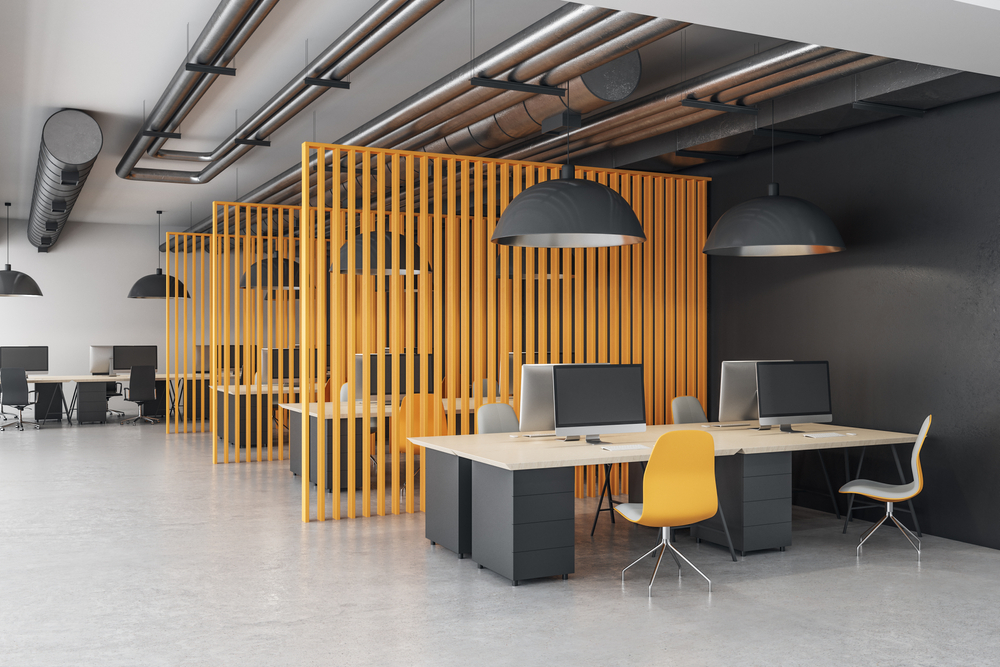
5 Essential Tips for Creating a Vibrant Workspace that Inspires Creativity
Creating a vibrant workspace is crucial for fostering an environment that inspires creativity. One essential tip is to incorporate natural elements into your design. Consider placing indoor plants throughout your office space; they not only improve air quality but also enhance mood and stimulate creativity. Additionally, ensure your workspace is filled with ample natural light, as studies show that it boosts productivity and mental well-being. Remember, a clutter-free space can also help clear your mind and allow for more creative thoughts to flow freely.
Another important aspect is to personalize your workspace. Surround yourself with inspirational artwork, photos, or quotes that resonate with you and reflect your style. To further enhance creativity, consider utilizing different colors in your decor; for instance, blues can promote calmness while yellows can spark optimism. Furthermore, create designated areas within your workspace for collaboration and brainstorming sessions to encourage spontaneous idea-sharing. By making these simple yet effective adjustments, you'll cultivate a vibrant workspace that truly inspires creativity.
Counter-Strike is a popular series of tactical first-person shooter video games that emphasize team-based gameplay and strategic planning. Players can choose to play as terrorists or counter-terrorists, with the objective varying by game mode. For gamers who want to create a more organized and efficient gaming setup, exploring the Top 10 desk cable management options can greatly enhance the experience by reducing clutter and distractions.
The Science Behind Productive Workspaces: How Environment Affects Performance
The science behind productive workspaces reveals that our environment significantly influences our performance and well-being. Numerous studies indicate that factors such as lighting, color, and layout can impact productivity levels. For instance, natural light exposure has been shown to enhance mood and energy, while a well-organized space reduces distractions. Elements such as indoor plants can also improve air quality and mental clarity, leading to a more focused work session. By understanding these aspects, individuals and organizations can create environments that foster creativity and efficiency.
Furthermore, the psychological aspect of workspace design plays a crucial role in employee satisfaction. A productive workspace can be achieved through the integration of personalized elements, flexibility in design, and the availability of collaborative areas. According to a survey by Gensler, employees who feel comfortable and engaged in their environment tend to be more productive. Therefore, investing time and resources in creating an ideal workspace is not merely about aesthetics but about maximizing performance and promoting a healthy work-life balance.
Is Your Office Stifling Creativity? 7 Signs to Look For
In today's fast-paced work environment, creativity is a crucial component for innovation and growth. However, many offices inadvertently create atmospheres that hinder this essential quality. Here are seven signs your office might be stifling creativity:
- Lack of Natural Light: Natural light has been shown to boost mood and creativity, so if your office is dimly lit, it could be dampening your team's innovative spirit.
- Rigid Workspaces: Conventional and inflexible office setups can limit collaboration and idea-sharing. Consider adopting open spaces or flexible layouts.
- High Noise Levels: Excessive noise can distract employees and reduce their ability to think creatively. Look into soundproofing solutions or designated quiet areas.
- Overly Formal Atmosphere: A rigid corporate culture can stifle creativity. Encourage a more relaxed environment to foster innovation.
- Insufficient Break Areas: Regular breaks can rejuvenate the mind. If your office lacks comfortable break areas, creativity may suffer.
- Limited Diversity: Diversity in teams promotes a variety of perspectives and ideas. If your team lacks diverse voices, consider expanding recruitment efforts.
- No Room for Experimentation: If employees are not allowed to take risks or fail, they’re less likely to think outside the box. Encourage a culture that values experimentation.