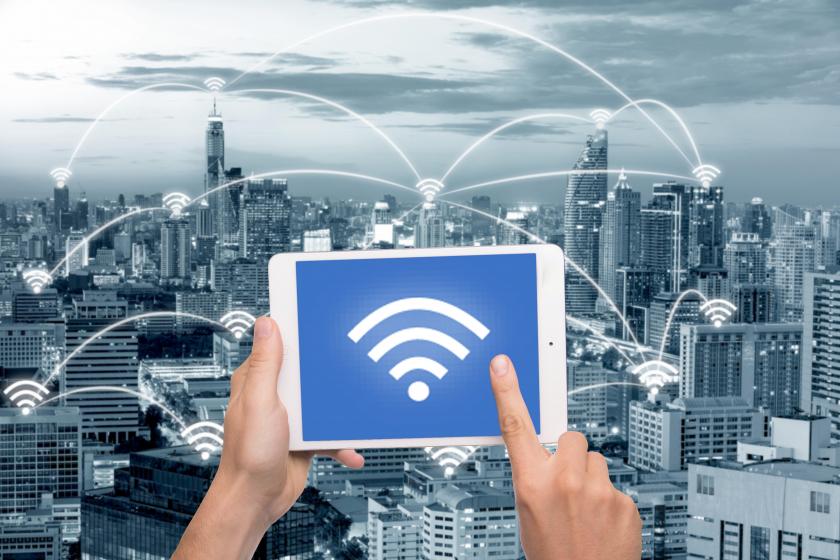
The Future of Connectivity: How Wireless Technology is Transforming Our Lives
The advent of wireless technology has revolutionized the way we connect and communicate, leading to a future where connectivity knows no bounds. From the rise of 5G networks to the proliferation of Internet of Things (IoT) devices, our daily lives are becoming increasingly intertwined with smart technology. These advancements not only enhance the speed and reliability of our internet connections but also enable real-time data sharing and interaction among devices. For instance, smart homes equipped with connected appliances allow homeowners to control their environment with a simple tap on their smartphones, significantly improving convenience and energy efficiency.
Moreover, wireless technology is playing a crucial role in bridging the digital divide, especially in underserved regions. As internet access expands through satellite and public Wi-Fi initiatives, more people are gaining the ability to participate in the digital economy, access education, and improve their quality of life. The future looks promising as we continue to innovate; emerging technologies like Wi-Fi 6 and next-generation wireless networks will further enhance our connectivity landscape. Ultimately, the transformative impact of wireless technology is not just a trend but a fundamental shift in how we live, work, and interact with one another.
Counter-Strike is a highly popular first-person shooter game that has captivated millions of players around the world. The game emphasizes teamwork and strategy as players engage in competitive gameplay, completing objectives such as bomb defusal and hostage rescue. For gamers looking to enhance their gaming experience, check out the Top 10 iPhone 17 accessories that can elevate your mobile gaming. Whether playing in casual matches or intense tournaments, Counter-Strike offers endless excitement and skill development.
Tangle-Free Living: Top Wireless Gadgets for a Seamless Experience
In today’s fast-paced world, Tangle-Free Living has become an essential aspect of our daily routines. With the rise of technology, numerous wireless gadgets have emerged that promise to transform our lifestyles and eliminate the chaos of tangled cords and wires. From wireless charging stations to Bluetooth headphones, these devices not only streamline our environment but also enhance our productivity. A recent survey indicated that over 70% of users prefer wireless solutions for a seamless experience due to their convenience and ease of use.
Here are some top wireless gadgets that can help you achieve Tangle-Free Living:
- Wireless Earbuds: Enjoy your music or podcasts without the hindrance of wires.
- Smart Home Speakers: Control your home environment seamlessly with just your voice.
- Wireless Chargers: Keep your devices powered up without the hassle of plugging in cables.
- Bluetooth Keyboards and Mice: Experience a cleaner workspace free from tangled cords.
Is Wireless the Way to Go? Exploring the Advantages and Disadvantages of Wireless Devices
In today's fast-paced world, the question of whether wireless technology is the way to go is more relevant than ever. The advantages of wireless devices are numerous, including enhanced convenience, mobility, and ease of setup. Users can enjoy the freedom to connect to the internet or transfer data without the restriction of cables. This mobility is particularly beneficial for people who are always on the go, as it allows them to stay connected from various locations. Additionally, the clutter-free environment provided by wireless technology contributes to a more organized work and living space.
However, despite these clear advantages, there are also some notable disadvantages associated with wireless devices. For instance, wireless connections can be less reliable than their wired counterparts, often experiencing interruptions or slow speeds due to interference from other devices or physical obstructions. Security is another significant concern; without proper measures, wireless networks can be vulnerable to unauthorized access. As such, users must weigh the factors of convenience against potential risks to determine if wireless technology truly is the best choice for their needs.