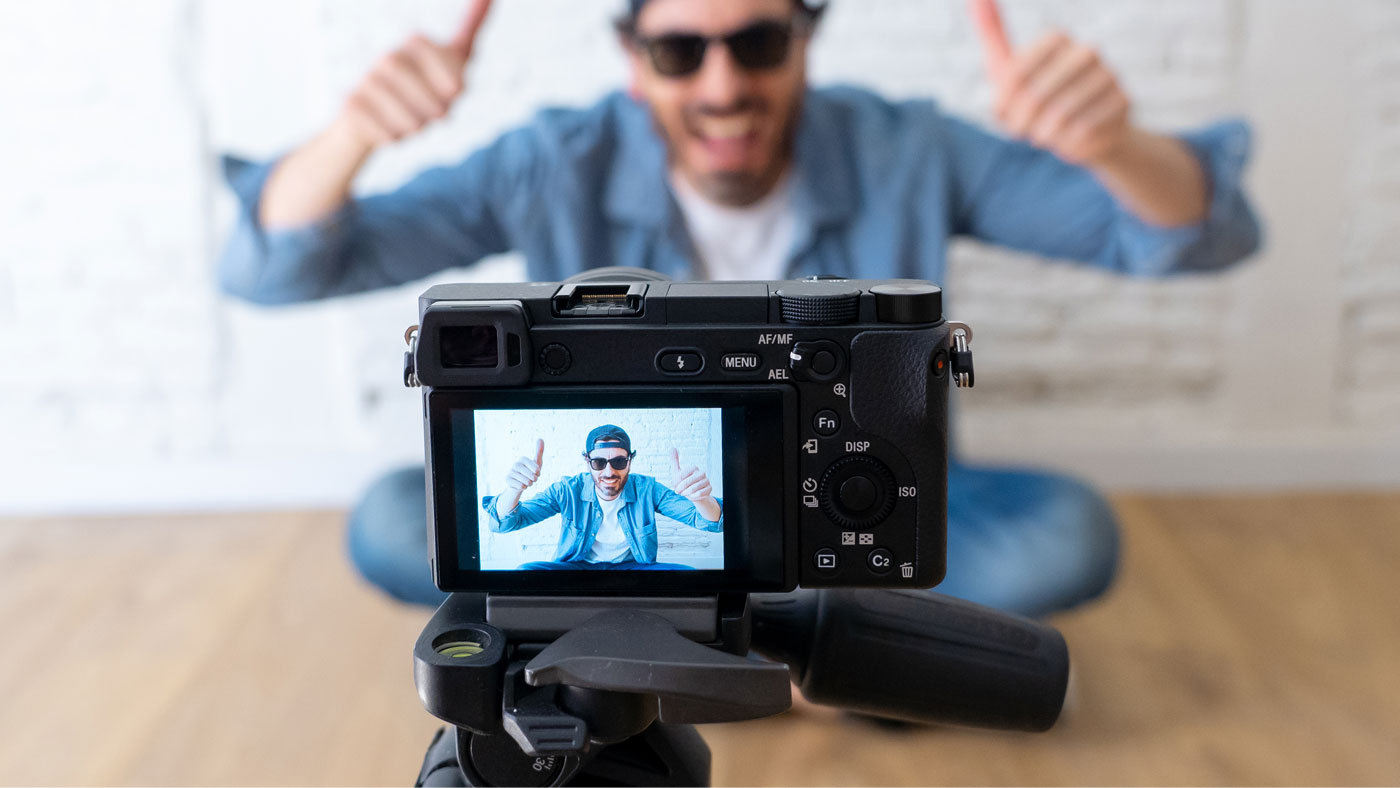
The Evolution of Vlogging: How Digital Diaries Became a Cultural Phenomenon
In the early 2000s, vlogging emerged as a new form of digital expression, blending video and blogging into a captivating medium. What began as simple video diaries recorded on handheld camcorders quickly evolved with the rise of platforms like YouTube. Creators utilized digital diaries to share their personal experiences, talents, and insights, captivating audiences around the world. The introduction of affordable smartphones enabled anyone with a story to tell to become a vlogger, which initiated a democratization of media that changed how people consumed content.
As vlogging gained popularity, it transformed into a cultural phenomenon, influencing trends, entertainment, and even marketing strategies. Vloggers became key opinion leaders, often with dedicated fanbases that engaged with their content on a personal level. This evolution marked a shift in how individuals interact with media, leading to a new era where digital diaries serve not only as a means of self-expression but also as platforms for education, activism, and community building. Today, vlogging is no longer just a hobby; it represents a significant cultural movement that reflects the diverse voices of our society.
Counter-Strike is a popular first-person shooter game that has been a staple in the esports community for years. With its competitive gameplay and strategic team-based mechanics, players engage in thrilling matches that require skill and coordination. If you're looking for the best tools to enhance your mobile videography, check out the Top 10 iphone gimbals, which can take your gameplay streaming to the next level.
Top 5 Tips for Creating a Vlog That Captivates Your Audience
Creating a successful vlog that captivates your audience requires careful planning and creativity. Here are Top 5 Tips to ensure your content stands out:
- Know Your Audience: Understanding who your viewers are and what they wish to see is crucial. Conduct surveys, engage in comments, and utilize analytics to tailor your content effectively.
- Invest in Quality Equipment: While you may start with a smartphone, upgrading to a good camera and microphone can significantly enhance video quality. Clear visuals and audio retain viewer interest and convey professionalism.
Additionally, consistency in uploading is key to building a loyal audience. Establishing a regular schedule lets viewers know when to expect new content. Also, don’t underestimate the power of storytelling; compelling narratives resonate more deeply with audiences. Finally, consider promoting your vlog across social media platforms to expand your reach and engagement.
- Engage through Interaction: Prompt your viewers to leave comments or ask questions to create a community around your content.
- Analyze and Adapt: Regularly review your channel's performance and be willing to adapt your content strategy based on what works best.
Is Vlogging the Future of Personal Storytelling?
Vlogging has revolutionized the way we share and consume personal stories, transcending traditional storytelling methods. With platforms like YouTube and TikTok, creators can connect with their audience in a more intimate and engaging way. Unlike written content, vlogging allows for visual and auditory elements that enhance emotional storytelling, making it easier for viewers to relate to the creator's experiences. As more individuals turn to video as their primary source of information and entertainment, the question arises: is vlogging truly the future of personal storytelling?
As technology continues to evolve, so does the potential for vlogging as a medium for personal narrative expression. Features like live streaming, interactive Q&A sessions, and personal vlogs enable a dialogue between creators and their communities, fostering a sense of authenticity and connection. Additionally, platforms are increasingly optimizing for mobile consumption, which aligns with the on-the-go lifestyle of modern audiences. This shift indicates that vlogging won't just be a passing trend, but rather a critical component of personal storytelling that adapts to the needs of future generations.