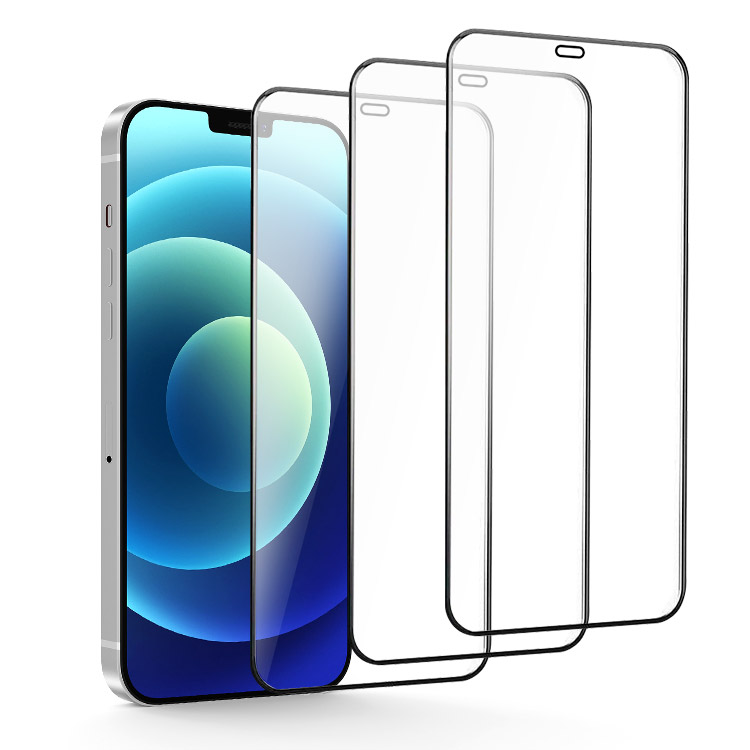
Why Every Smartphone Needs a Screen Protector: The Essential Guide
In an era where smartphones have become an integral part of our daily lives, protecting these devices is more crucial than ever. A screen protector acts as a shield against scratches, smudges, and shards of glass from accidental drops. It is a small investment compared to the cost of repairing or replacing a cracked screen. According to recent studies, over 50% of smartphone users will drop their device at least once in the first year of ownership, making the need for a durable screen protector imperative.
Choosing the right screen protector can significantly enhance your smartphone experience. There are various types available, including tempered glass, which offers superior protection, and film protectors, which are thinner and less noticeable. When selecting a screen protector, consider factors such as visibility, touch sensitivity, and ease of installation. A quality screen protector not only maintains the aesthetic appeal of your phone but also ensures its longevity, providing peace of mind for everyday use. Don’t underestimate the importance of a screen protector—it's a simple yet effective way to protect your valuable device!
Counter-Strike is a highly popular multiplayer first-person shooter game that emphasizes teamwork and tactical strategy. Players join either the terrorist or counter-terrorist team to complete objectives or eliminate the opposing side. For gamers looking to enhance their gaming experience, check out the Top 10 iPhone Air accessories that can improve your setup and performance.
Top 5 Common Myths About Screen Protectors Debunked
Screen protectors have become a standard accessory for smartphones and tablets, but many misconceptions surround their effectiveness. One of the most common myths is that all screen protectors are the same. In reality, they vary significantly in materials and protection levels. Tempered glass protectors, for example, offer superior defense against scratches and impacts compared to basic plastic films. Understanding these differences is crucial for choosing the right product to truly safeguard your device.
Another prevalent myth is that installing a screen protector is an unnecessary expense. However, investing in quality protection can save you money in the long run by preventing costly repairs or replacements due to screen damage. Additionally, many people believe that using a screen protector will interfere with touch sensitivity or viewing clarity. This is simply not true, as most high-quality protectors are designed to maintain the original user experience, ensuring your device remains as responsive and vibrant as ever.
How to Choose the Right Screen Protector for Your Device: A Comprehensive Guide
Choosing the right screen protector for your device is essential to ensure its longevity and performance. With numerous options available in the market, it can be overwhelming to make a decision. Start by considering the type of device you have, whether it's a smartphone, tablet, or laptop. Screen protectors come in various materials, such as tempered glass and plastic film. Each material offers different levels of protection, so understanding your daily usage and how vulnerable your screen might be is key.
Once you've narrowed down the material, think about the features that are important to you. For example, some screen protectors come with anti-glare technology, while others might have a matte finish that reduces fingerprints. Additionally, look for protectors that offer easy installation and durability. To help with your decision-making, here's a quick checklist:
- Material type: tempered glass vs. plastic film
- Anti-glare or matte finish
- Durability and resistance to scratches
- Installation process
- Brand reputation and customer reviews