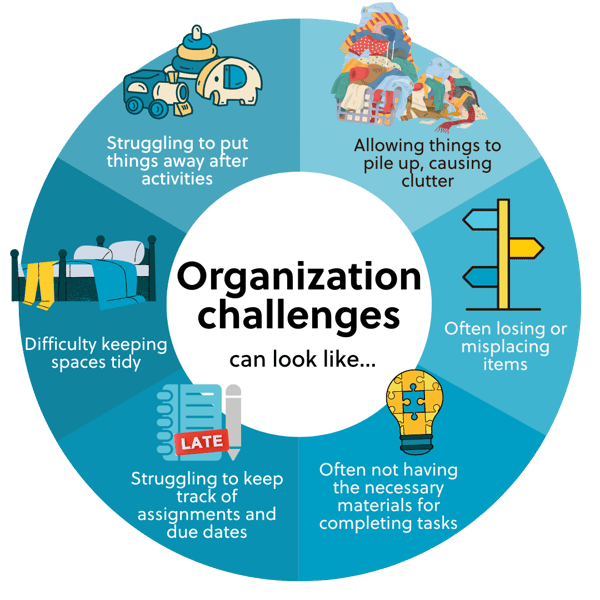
5 Simple Steps to Declutter Your Space and Mind
Decluttering your space not only creates a more organized environment but also helps to declutter your mind. Here are 5 simple steps to start your journey towards a clearer, more peaceful living space:
- Assess Your Space: Begin by taking a good look at the areas that feel cluttered or overwhelming. Understanding the scope of the mess is crucial in deciding where to start.
- Set Clear Goals: Determine what you want to achieve with your decluttering. Is it just a cleaner room, or are you looking to create a more functional space? Setting clear goals will guide your efforts.
Continuing with your decluttering process, here are three more steps to consider:
- Sort and Categorize: Once you know your goals, start sorting items into categories: keep, donate, and discard. This helps in making quick decisions about what you truly need.
- Implement a Daily Routine: Make decluttering a habit by dedicating a few minutes each day to tidy up small areas. Over time, these little efforts will add up to significant change.
- Reflect and Maintain: After decluttering, take a moment to reflect on how your space feels. Maintaining your decluttered environment will keep your mind clear and focused.
Counter-Strike is a highly popular first-person shooter game that has captivated players since its initial release in 1999. It emphasizes teamwork and strategy, requiring players to work together to complete objectives, whether it's defusing bombs or rescuing hostages. To enhance your gaming experience, check out the Top 10 Desk Setup Essentials that can help you perform at your best.
How to Create a Weekly Planner that Works for You
Creating a weekly planner that truly works for you requires a thoughtful approach that aligns with your personal goals and lifestyle. Start by assessing your commitments for the week ahead. List all your responsibilities, including work tasks, personal appointments, and even leisure activities. Once you have a clear picture of your obligations, choose a planning format that best suits your needs—whether it's a digital app, a physical notebook, or a printable template. Maintaining consistency in your choice will help you stay on track and make adjustments as necessary.
Next, structure your weekly planner by allocating time blocks for each of your tasks. Consider using a color-coding system to visually categorize different areas of your life, such as work, family, and self-care. For instance, you might assign blue for work-related duties, green for family events, and pink for personal time. This visual representation not only makes planning efficient but also allows you to see at a glance where your time is being devoted. Remember to include buffer times for unexpected events and ensure you review your planner daily to stay engaged and committed to your schedule.
Organizing Your Digital Life: Tips for a Stress-Free Inbox
In today's fast-paced digital world, managing your email inbox can feel overwhelming. To achieve a stress-free inbox, start by implementing a system for organizing your emails. Consider using folders or labels to categorize your messages into sections such as Work, Personal, and Subscriptions. Establish a routine to check your inbox at specific times throughout the day to avoid constant distractions. You might also find it helpful to set aside a few minutes each week to unsubscribe from newsletters and updates that no longer serve your interests, ensuring you only receive what truly matters.
Another effective method for maintaining a stress-free inbox is to adopt the "Inbox Zero" principle. This approach encourages you to process your emails by taking immediate action on them, whether that means replying, forwarding, or deleting. When you receive a new message, ask yourself one of the following questions:
- Can I respond in two minutes or less? If yes, handle it right away.
- Does it require a response later? If so, schedule it in your calendar or flag it for later action.
- Is it unnecessary? If so, delete it promptly.