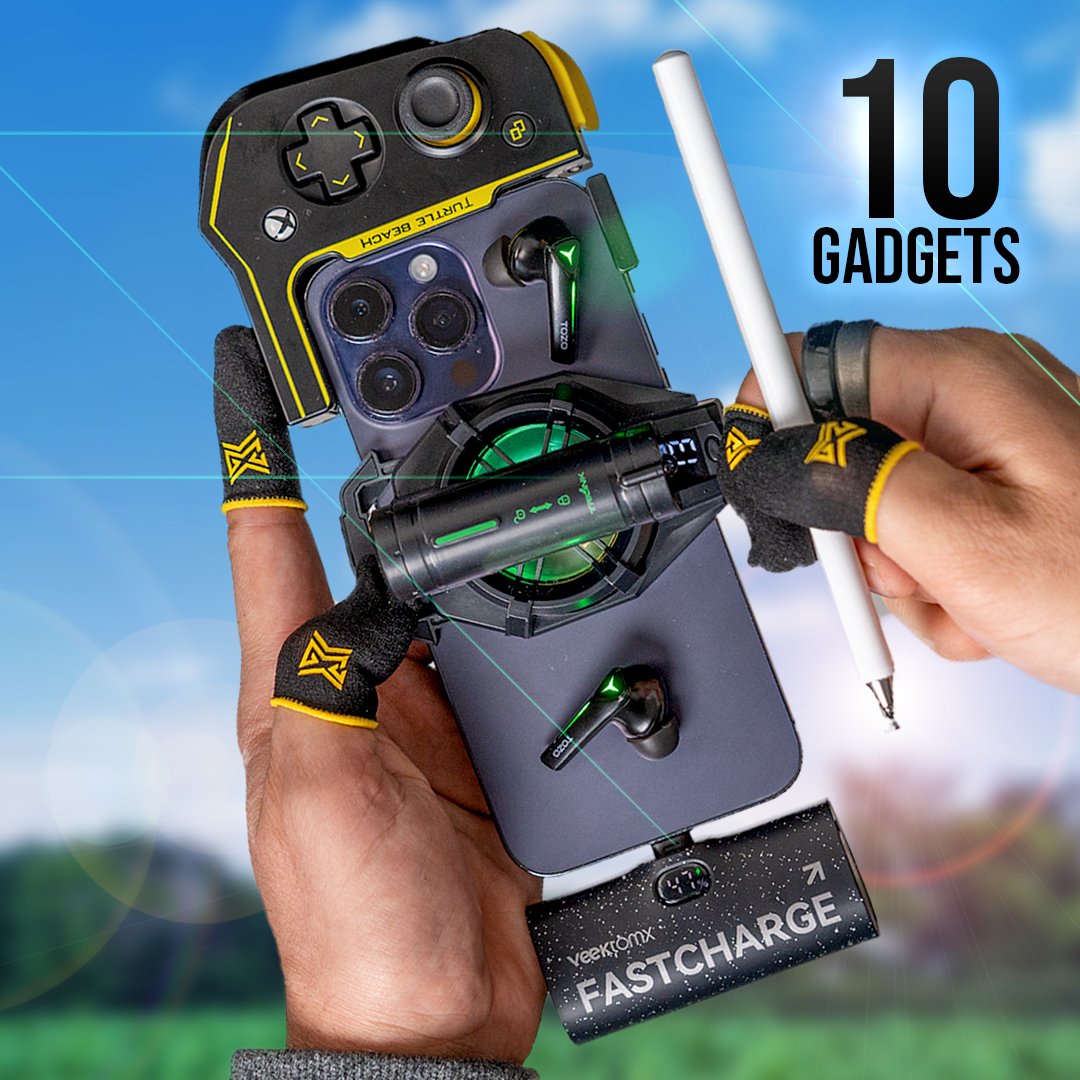
Top 5 Gadgets That Challenge Our Perception of Reality
In a world where technology continuously evolves, certain gadgets have emerged that profoundly challenge our perception of reality. **Virtual Reality (VR)** headsets, such as the Oculus Quest 2, transport users into immersive environments that can feel as real as the physical world. Through the use of advanced displays and tracking systems, these devices create experiences ranging from virtual travel to interactive gaming. The growing accessibility of VR technology allows more people to explore the boundaries of their imagination, making it a pioneering tool that reshapes how we interact with digital content.
Another groundbreaking innovation is **augmented reality (AR)** glasses like the Microsoft HoloLens. Unlike VR, which completely immerses users in a digital realm, AR blends the digital and physical worlds, overlaying virtual images onto real-life environments. This gadget not only enhances gaming experiences but also has practical applications in fields such as education, healthcare, and design. By allowing users to visualize information in their real surroundings, AR glasses provide a unique opportunity to reframe how we perceive and interact with our everyday reality.
Counter-Strike is a highly popular first-person shooter game that emphasizes team-based gameplay, where players can choose to play as either terrorists or counter-terrorists. The game's competitive nature has led to its emergence as a staple in esports, with numerous tournaments and a dedicated player base. For those gearing up for gaming sessions or traveling to events, check out the Top 10 Summer Travel Accessories that can enhance your experience.
How Augmented Reality Devices Are Redefining Our Everyday Experiences
Augmented reality (AR) devices are revolutionizing the way we interact with the world around us. By seamlessly blending digital elements with our physical surroundings, these innovative gadgets are enhancing our everyday experiences in various aspects of life. From gaming to education, AR technology enables users to engage in immersive environments that expand their understanding and capabilities. For instance, applications like Pokémon GO not only provide entertainment but also encourage physical activity and exploration, demonstrating how AR can make mundane activities more dynamic and engaging.
In addition to gaming, AR devices are making significant strides in industries such as retail and healthcare, transforming the way we shop and receive medical care. Retailers leverage AR to create virtual fitting rooms, allowing customers to visualize how products will look before making a purchase, thereby enhancing the shopping experience. In the healthcare sector, medical professionals can utilize AR technology for surgical simulations and patient education, resulting in better outcomes and informed decisions. As AR continues to evolve, it holds the potential to redefine how we perceive and interact with our environment, making everyday experiences not only more enjoyable but also more efficient.
Are These Gadgets the Future of Virtual Reality or Just a Fad?
The evolution of technology has brought forth a plethora of innovations, and among them, virtual reality (VR) gadgets stand out as groundbreaking tools that promise to reshape our digital experiences. With advancements in hardware and software, these gadgets offer immersive environments that transport users to different worlds, enhancing gaming, education, and even therapy. However, the pressing question remains: are these gadgets the future of virtual reality or just a passing trend? As industry experts weigh in, it becomes crucial to explore both the potential and limitations of current VR technology.
On one hand, the rapidly growing market and increasing investments from tech giants suggest a robust future for VR gadgets. For instance, developments in affordable VR headsets and the integration of augmented reality (AR) features indicate a commitment to enhancing user experiences. On the other hand, some critics argue that the novelty of these devices may wear off as consumers look for practical applications beyond entertainment. In conclusion, while VR gadgets offer exciting possibilities, their longevity in the market will largely depend on continuous innovation and the ability to deliver meaningful experiences.