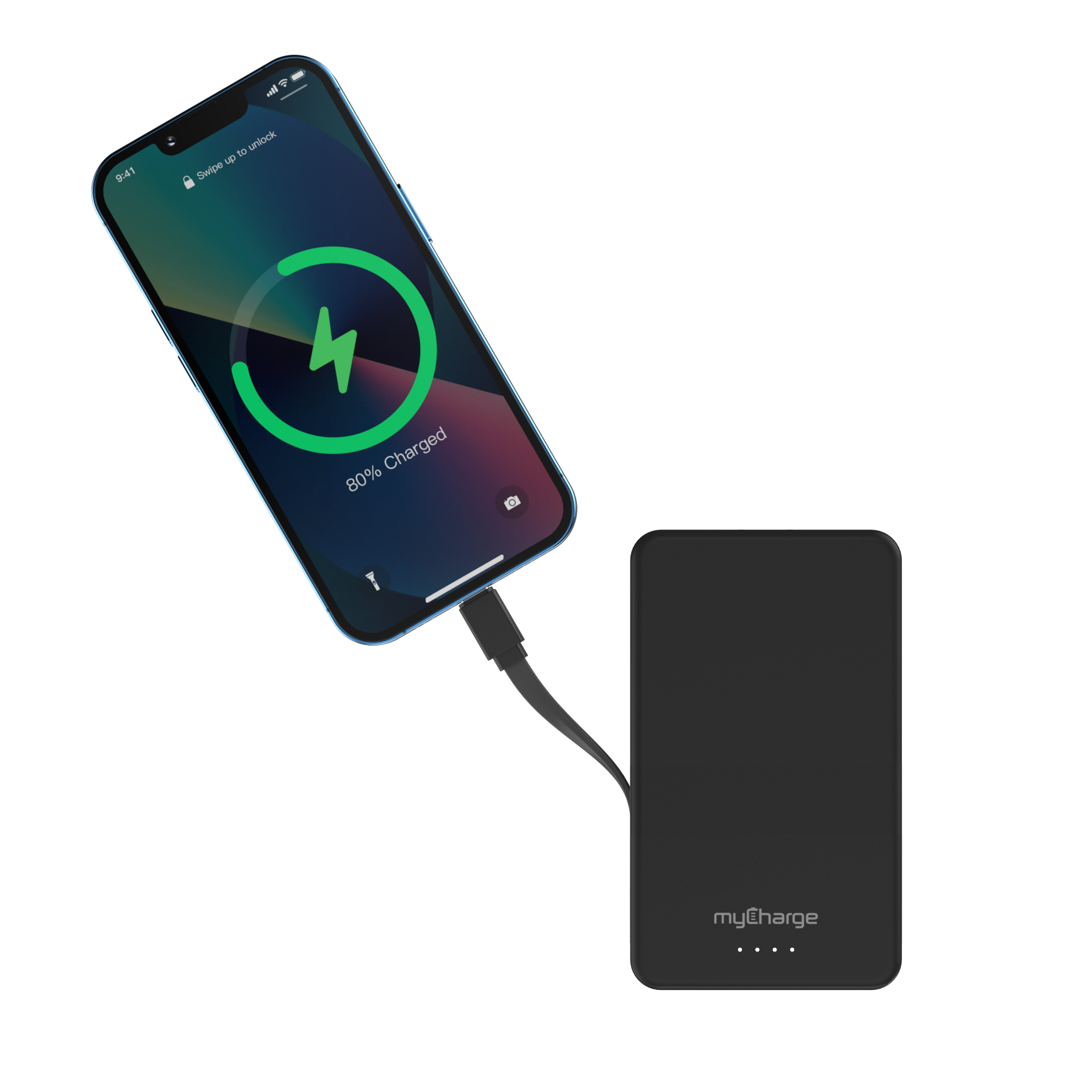
The Science Behind Mobile Chargers: How They Power Your Devices
The science behind mobile chargers is rooted in the principles of electricity and energy transfer. At the core of every charger are components such as transformers, rectifiers, and capacitors that work together to convert standard electrical energy into a form that is compatible with your devices. When a charger is plugged into a wall outlet, it draws alternating current (AC) from the power grid. This AC voltage is then transformed into direct current (DC), which is what most mobile devices require to charge their batteries efficiently. As the charger communicates with the device, it adjusts the voltage and current flow to deliver the optimal charging speed, ensuring both safety and efficiency.
Another critical aspect of how mobile chargers power devices is the concept of charging protocols. Most modern chargers utilize communication protocols like USB Power Delivery and Qualcomm Quick Charge, which allow for faster and smarter charging. These protocols enable the charger and the device to negotiate the power levels, optimizing charging speeds while calibrating voltage and current based on the device's needs. This science not only enhances the charging process but also protects the device from overheating and potential damage, making understanding these systems essential for both consumers and tech enthusiasts alike.
Counter-Strike is a highly popular first-person shooter game that emphasizes teamwork and strategy. Players engage in various modes, with each team either trying to complete objectives or eliminate the opposing team. For those looking for reliable accessories to enhance their gaming experience, check out the Top 10 magsafe chargers that can help keep your devices powered during intense gaming sessions.
Top 5 Myths About Mobile Charging Debunked
When it comes to mobile charging, there are plenty of misconceptions that can mislead users. One of the most popular myths is that using your phone while it's charging can damage the battery. In reality, modern smartphones are equipped with advanced power management systems that regulate charging speed and battery health. So, you can comfortably scroll through social media or send messages without worrying about harming your device.
Another widespread myth is that you should always let your phone battery drain completely before recharging it. This notion comes from older battery technology, but today's smartphones use lithium-ion batteries, which perform much better when charged frequently. In fact, it's beneficial for the longevity of your battery to maintain it between 20% and 80% charge. Therefore, feel free to plug it in when it reaches a low battery level rather than waiting for it to die.
Is Your Charger Slowing You Down? How to Choose the Right One
When it comes to charging your devices, the type of charger you use can significantly impact its performance. A slow charger can lead to frustration, especially when you need to quickly power up your smartphone or tablet. It's essential to recognize that not all chargers are created equal. Factors such as wattage, compatibility, and cable quality play a crucial role in determining how efficiently your device charges. For instance, a charger with a higher wattage can charge compatible devices much faster, reducing the time you spend tethered to a wall outlet.
So, how do you choose the right charger to ensure you're not experiencing unnecessary slowdowns? Start by assessing the power requirements of your device; check the specifications to find out the optimal wattage it needs. Additionally, consider investing in branded chargers that meet regulatory standards instead of opting for generic ones, which might compromise safety and performance. Finally, don’t overlook the importance of using a high-quality charging cable, as a subpar cable can hinder charging speeds, defeating the purpose of using a faster charger. By taking these steps, you can make an informed choice and avoid the pitfall of a charger that slows you down.